The Man Who Turned a Courtroom Into a Stage
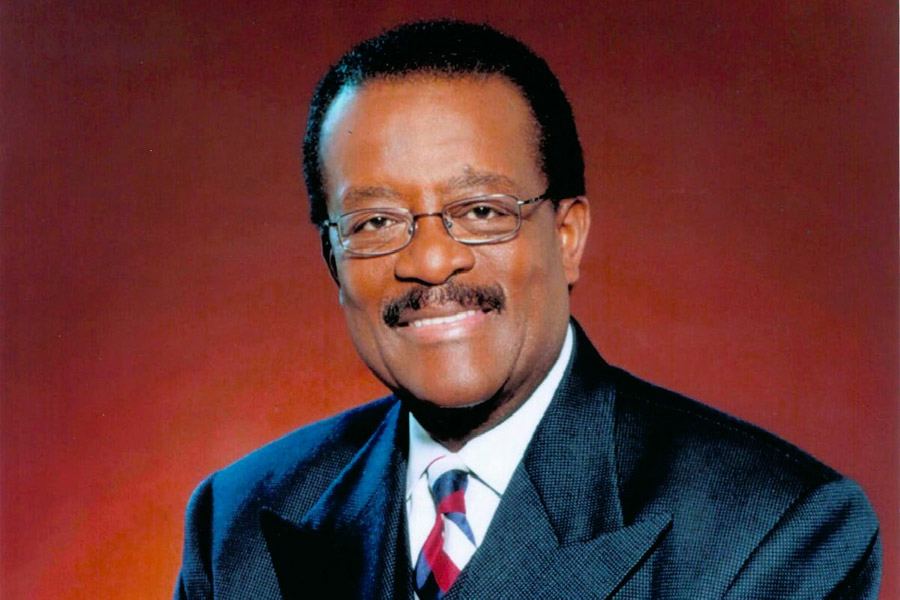
I remember Johnny Cochran as a lawyer who knew that the courtroom was never just about statutes, testimony, and procedure. Language, rhythm, timing, and persuasion mattered. He was one of the most famous American attorneys, able to make legal arguments generate news. His name became synonymous with high-profile trials, civil rights battles, and the widely famous courtroom statement, “If it doesn’t fit, you must acquit.”
Johnnie L. Cochran Jr. was born in Shreveport, Louisiana, on October 2, 1937. He died of a brain tumor at 67 in Los Angeles on March 29, 2005. Between those dates, he created a profession beyond celebrity law. He symbolized legal excellence and Black professional success in America for many.
His life was not a straight road. It was more like a river, widening as it moved, gathering force with every major case, every public appearance, and every fight over justice.
Early Life and Education
Johnny Cochran spent his earliest years in Louisiana before his family relocated to Los Angeles during his childhood. That move mattered. Los Angeles became the city where his ambitions took shape and where his career would eventually explode into national prominence.
His upbringing stressed discipline and study. That foundation got him through school and college. UC Los Angeles awarded him a bachelor’s degree in 1959. Three years later, he graduated from Loyola Law School in 1962.
These dates are more than milestones. They show the steady construction of a career that would later look almost mythic from the outside. Before the fame, before the cameras, there was simply a young man doing the work.
The Parents Who Helped Shape Him
Family mattered deeply in Cochran’s story, and that starts with his parents.
Johnnie L. Cochran Sr.
Johnnie L. Cochran Sr. sold insurance. He was a household stabilizer who emphasized discipline, self-respect, and upward mobility. His practical approach to aspiration made him important. He helped the family migrate from Louisiana to California, which opened opportunities for his son.
Many accounts of Johnny Cochran’s life point to his father’s emphasis on education and professional standards. That kind of influence can be quiet, but it can shape an entire future.
Hattie Bass Cochran
His mother, Hattie Bass Cochran, was a homemaker and the emotional center of the family. She is often remembered as a source of warmth, values, and encouragement. If his father helped build the frame, his mother helped fill it with purpose.
Her influence appears in the moral texture of his career. Cochran did not simply chase fame. He often represented people who were fighting institutions much larger than themselves. That instinct did not appear from nowhere.
Marriage, Family Life, and Children
For all his public visibility, parts of Johnny Cochran’s personal life remained more private. Still, his family relationships form an important part of his story.
Barbara Berry Cochran
Barbara Berry married Cochran in 1960. His ascension was early, before he became famous. The divorce followed a long marriage. Barbara was beside him during his long legal trip, when his reputation was being formed.
Early legal careers are rarely glamorous. They demand long hours, unstable income, and relentless ambition. Barbara’s role during that period deserves notice because she shared in the years of construction, not just the years of fame.
Tiffany Cochran and Melodie Cochran
From that marriage came daughters Tiffany Cochran and Melodie Cochran. Both have largely stayed out of the public spotlight. In an age when famous families often become public property, their relative privacy stands out.
That privacy says something about the family. Even with a father as famous as Johnny Cochran, not every branch of the tree leaned toward public attention.
Jonathan Cochran
Johnny Cochran also had a son, Jonathan Cochran. Like his sisters, Jonathan has mostly remained outside media attention. Verified public details about his personal and professional life have always been limited.
That distance from celebrity creates an interesting contrast. Their father lived in front of microphones, cameras, and crowds. His children, for the most part, did not.
Sylvia Dale
Later in life, Cochran married Sylvia Dale, who became his second wife. She was frequently seen with him at public events, charity functions, and professional gatherings. During the later chapter of his life, she was part of his visible world and stood beside him as his stature grew even further.
After his death in 2005, Sylvia Dale remained connected to the preservation of his legacy. In that sense, she became part of the bridge between the man and the memory.
Building a Legal Career
After graduating from law school in 1962, Cochran began his legal career in the Los Angeles City Attorney’s Office. This gave him a grounding in legal process and public service. But private practice was where his talent found full expression.
He had the instincts of a litigator. He could simplify complexity, dramatize facts, and speak with authority without sounding mechanical. Over time, he became known not just as a lawyer who could win, but as a lawyer who could move a room.
Here is a quick timeline of key dates in his rise:
| Year | Event |
|---|---|
| 1937 | Born in Shreveport, Louisiana |
| 1959 | Earned bachelor’s degree from UCLA |
| 1960 | Married Barbara Berry |
| 1962 | Graduated from Loyola Law School |
| 1963 | Began legal career |
| 1970s to 1980s | Rose through civil rights litigation |
| 1981 | Won major settlement in Ron Settles wrongful death case |
| 1995 | Led O. J. Simpson defense team |
| 2005 | Died in Los Angeles |
Civil Rights Work and Police Misconduct Cases
Long before many people knew him from television, Johnny Cochran was gaining prominence through civil rights litigation. This part of his career is essential. Without it, the public image is incomplete.
In the 1970s and 1980s, he represented victims of police misconduct, excessive force, wrongful death, and discrimination. These were not abstract causes. They involved devastated families, damaged communities, and institutions that were difficult to challenge.
One notable milestone came in 1981 in the Ron Settles wrongful death case. That victory helped solidify Cochran’s reputation as a lawyer willing to confront official power.
I think this is one reason his legacy still matters. He was not only a celebrity attorney. He was also an advocate who helped pull police accountability into the national conversation years before it became a constant public issue.
Celebrity Clients and National Fame
His fame attracted famous clients. His clients included Michael Jackson, Jim Brown, Sean Combs, Tupac Shakur, and Magic Johnson. These names conveyed beauty and trust. Famous clients hire lawyers who can handle pressure, shape public narrative, and perform under examination.
Then came the trial that changed everything.
In 1995, Johnny Cochran led the defense team for O. J. Simpson in one of the most watched legal proceedings in American history. The case became a national obsession. Every gesture, every argument, every phrase carried enormous weight. Cochran’s courtroom style made him internationally famous.
He was strategic, theatrical, disciplined, and deeply aware of how juries listen. He could make language snap like a flag in hard wind. The Simpson trial made him a public icon, but it also locked his name into American cultural memory.
Business Ventures, Books, and Broader Influence
Cochran did not limit himself to courtroom work. As his fame expanded in the late 1990s and early 2000s, he grew his legal practice through law partnerships, media appearances, speaking engagements, legal commentary, and publications.
By the time of his death in 2005, estimates of his wealth generally ranged from $8 million to $15 million. That wealth appears to have come from legal fees, high-profile defense work, civil litigation, books, and business ventures.
He also became a mentor figure. Many younger attorneys saw in him a model of what a powerful trial lawyer could be: polished, fearless, media-savvy, and socially aware.
Inspiration and Lesser-Known Dimensions
One of the most revealing details about Johnny Cochran is that he often cited Thurgood Marshall as a major inspiration. That connection matters. It places his ambition within a larger tradition of Black legal struggle and civil rights advocacy.
Another important point is this: while he is remembered for his celebrity clientele, much of his career was devoted to ordinary people. People without money. People facing police departments, bureaucracies, or public suspicion. That side of his work often gets overshadowed by the glare of fame.
Yet it may be the truest core of his professional identity.
Legacy in Popular Culture and Public Memory
Johnny Cochran’s legacy did not end in 2005. If anything, it changed form. He remains a recurring figure in legal commentary, documentaries, social media discussions, and television dramatizations.
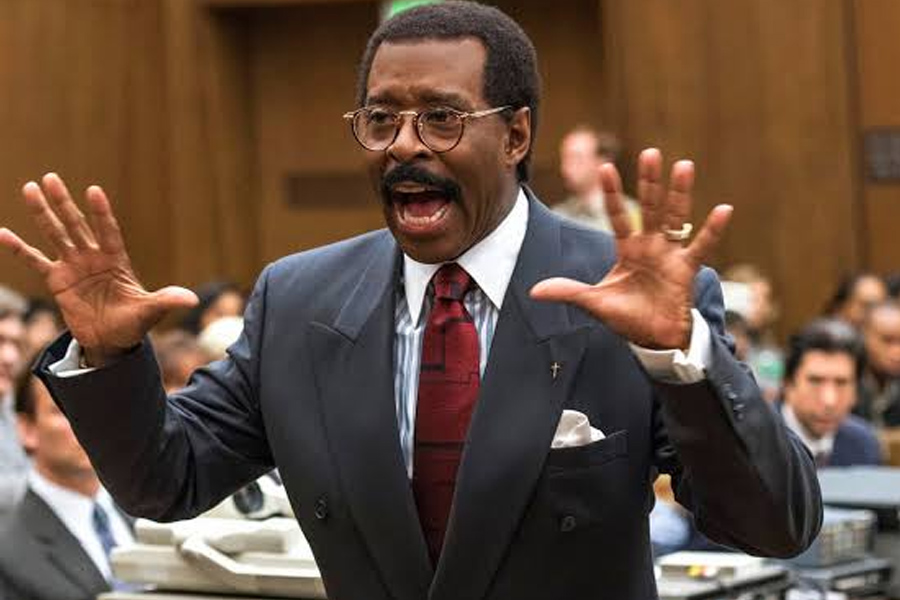
A major revival of public interest came in 2016 with The People v. O. J. Simpson: American Crime Story. The portrayal of Cochran introduced him to a younger audience and reminded older viewers how magnetic he had been.
He is still mentioned in discussions about trial strategy, jury persuading, racism in America, criminal defense, and police accountability. His name is virtually legal abbreviation. People instinctively associate Johnny Cochran with courtroom charm, rhetorical accuracy, and high-stakes advocacy.
FAQ
Who was Johnny Cochran?
Johnny Cochran was a famous American trial attorney born in 1937 and known for civil rights cases, celebrity defense work, and leading O. J. Simpson’s defense team in 1995.
What was Johnny Cochran’s full name?
He was publicly known more widely as Johnnie Lee Cochran Jr., though he is often referred to as Johnny Cochran.
Who were Johnny Cochran’s parents?
His parents were Johnnie L. Cochran Sr. and Hattie Bass Cochran. His father worked as an insurance salesman, and his mother was a homemaker.
Who was Johnny Cochran’s first wife?
His first wife was Barbara Berry Cochran, whom he married in 1960.
Did Johnny Cochran have children?
Yes, he had children including Tiffany Cochran, Melodie Cochran, and Jonathan Cochran.
Who was Johnny Cochran’s second wife?
His second wife was Sylvia Dale, who appeared with him at public events and remained linked to his legacy after his death.
What made Johnny Cochran famous?
He became internationally famous for leading the O. J. Simpson defense team and for his memorable courtroom line, “If it doesn’t fit, you must acquit.”
What kinds of cases did Johnny Cochran handle?
He worked on civil rights litigation, police misconduct claims, wrongful death suits, criminal defense matters, and celebrity legal disputes.
Which famous people did Johnny Cochran represent?
He represented clients including O. J. Simpson, Michael Jackson, Jim Brown, Sean Combs, Tupac Shakur, and Magic Johnson.
What was Johnny Cochran’s estimated net worth?
At the time of his death in 2005, estimates generally placed his net worth between $8 million and $15 million.
When did Johnny Cochran die?
He died on March 29, 2005, in Los Angeles at age 67.
Why does Johnny Cochran still matter today?
He still matters because his work shaped public discussions about race, justice, police accountability, and the power of courtroom advocacy. His legacy continues to echo through law, media, and American culture.