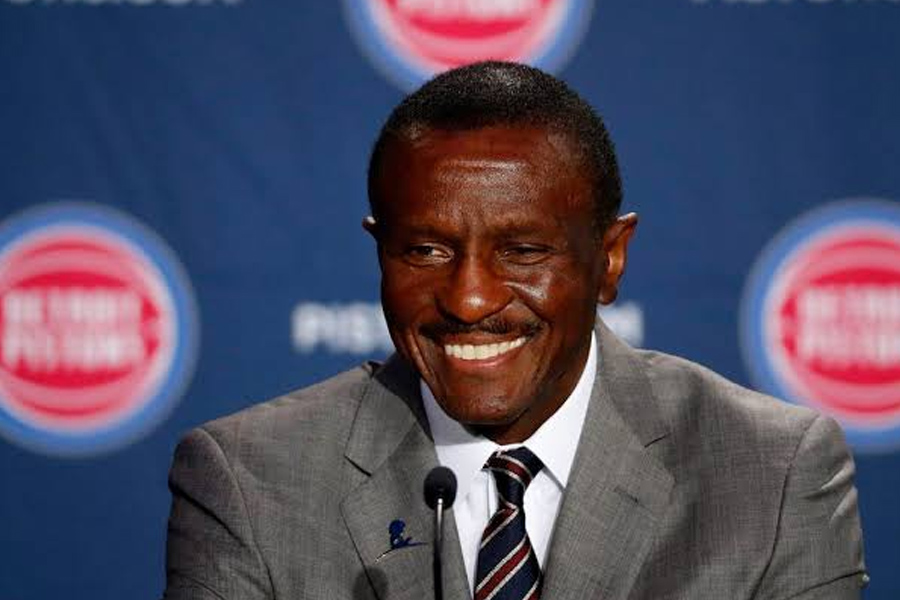
Dwayne Casey’s Early Life and Kentucky Foundation
Dwayne Casey’s life was fashioned before the NBA took notice. He was born in Indianapolis, Indiana, on April 17, 1957, but his identity was formed in Morganfield, Kentucky, where his family relocated when he was three. Growing up in a small town matters. It instilled discipline, humility, commitment, and a desire to labor without cameras.
Many equate Casey with Kentucky’s blue-collar character. That picture fits. He recalls dusty roads, early mornings, and family lessons repeated until instinctive. Growing up with his grandparents, their influence appears to permeate his life. Many of his public traits stem from those beginnings. His calmness, steady leadership, and responsibility feel like heritage, not performance.
Casey played collegiate basketball at Kentucky before becoming an NBA coach. He played under Joe B. Hall from 1975 to 1979 and helped the program win the 1978 NCAA title. He entered a winning culture early on with the title. He learned what elite teams need firsthand. Talent alone never wins championships. Their creation requires sacrifice, persistence, and trust.
From College Player to Global Basketball Teacher
I found Casey’s coaching path interesting because it was non-linear. He started his long apprenticeship in coaching right after college. As an assistant at Western Kentucky and Kentucky, he learned player development and team organization day by day.
His profession carried him to Japan, demonstrating his openness and versatility. Many coaches live in familiar systems. Casey chose growth. He made foreign friends and furthered his basketball knowledge in Japan. The Emperors’ Cup helped him establish himself as a game instructor rather than a diagram-maker.
That worldwide experience counted. It improved his communication and viewpoint. Basketball is considered a universal language, yet few coaches speak it locally and globally. Those figures included Casey. In Japan, he underlined a theme that ran throughout his career: building people, not just plays.
The Long NBA Climb
Like a brick wall, Dwayne Casey’s NBA career has layers. He was no celebrity coach. He gained respect via patience and skill. As a Seattle SuperSonics assistant from 1994 to 2005, he became one of the league’s most dependable basketball brains.
While not glamourous, those 11 years in Seattle were vital. Long assistant tenures indicate coaches’ traits. They proved organizations trusted Casey. He was a defensive strategist and player-development expert, which are useful in any period.
He eventually became head coach of the Minnesota Timberwolves from 2005 to 2007. That role gave him his first chance to lead an NBA bench at the highest level. Like many first head coaching jobs, it came with pressure and instability. Yet even when results were mixed, Casey kept building.
The Dallas Mavericks hired him as an assistant from 2008 until 2011. That period adds another key credential to his resume. In 2011, Dallas won the NBA title with Casey on staff. A ring as an assistant may not be as well-known as as a head coach, but it still matters in the league. This coach has helped win at the greatest level.
The Toronto Raptors Years and Peak Recognition
Between 2011 and 2018, Casey’s time with the Raptors defined his public legacy. I recall stability from those years. Raptors became reliable, competitive, and respected. Casey led the squad to many Atlantic Division titles and frequent playoff appearances.
His best season came in 2017 to 2018, when Toronto won a franchise-record 59 games. That number matters because it reflected more than a hot streak. It showed a fully developed program. The Raptors played with identity, discipline, and depth. Casey’s fingerprints were all over that progress.
He was NBA Coach of the Year in 2018. One of his most notable achievements was recognized. Awards sometimes feel like snapshots, but this one recognized years of structure-building and player progress. Coach Casey was recognized across the league for his ability to lead a locker room without drama.
His coaching style is memorable. He was not a spectator storm. In stormy weather, he guided rather than exploded. Dependability attracts players to that leadership. Casey’s stability helped him in a noisy league.
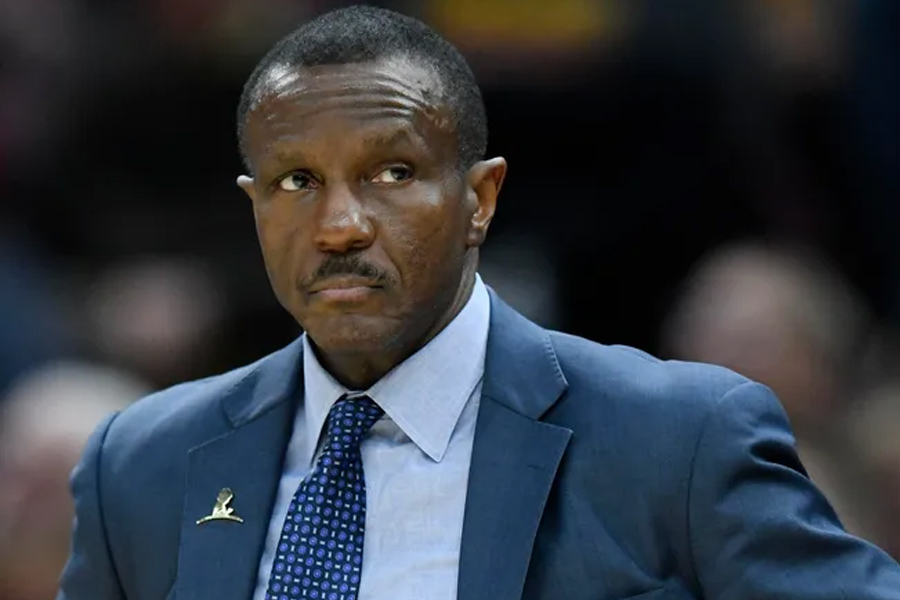
Detroit Pistons Leadership and Front Office Role
In 2018, Casey became Detroit Pistons head coach after Toronto. He led the squad through a difficult development and culture phase until 2023. Detroit wanted more than fast wins. Casey was requested to install concrete for its base.
That assignment fit him. He has long been viewed as a coach who can teach young players, hold standards, and keep a room together through difficult stretches. Not every coaching job is about immediate contention. Some are about shaping the future, and Casey was well suited to that task.
In 2023, he became a Pistons basketball operations senior advisor. That move was natural. Casey-experienced coaches generally anchor organizations. They have decades of player, habit, psychology, and team-building experience. His front-office role allows him to mentor and develop players beyond the bench.
As of 2025 and into 2026, he remains active with the Pistons organization. His public appearances continue to reflect the same themes that defined his coaching career: perspective, patience, and professionalism. He is no longer pacing every possession, but his voice still carries weight.
Dwayne Casey’s Wife Brenda Casey
Basketball defines Dwayne Casey’s public image, but his private life shows another side. Brenda Casey, his wife, is important to that universe. Some sources say their marriage began in 1988, others in the mid-2000s. The bigger picture is that Brenda has been constant and helpful.
I think that counts more than sports profiles say. Coaching is unusual. Constant travel, large risks, public criticism, and relocation are the norm. Trust and common purpose keep a family anchored. Brenda Casey embodies that calm resolve.
She has been seen with him at events and charity functions, reinforcing the image of a couple that values both family and community. Their bond seems built less on publicity and more on durability. In a world obsessed with headlines, that kind of private strength often tells the better story.
His Children Zachary and Justine Casey
Zachary and Justine Casey are Dwayne and Brenda’s children. Given how visible professional athletics can be, both have kept private lives. That privacy suits me. It matches Casey’s family values.
Zachary Casey is a family man who avoids the spotlight. Same for Justine Casey. Public glimpses indicate a close-knit family united by presence, not performance. Major sports figures’ families frequently stay grounded due to years of conscious choices.
Casey seems to naturally fit his coaching identity with his fatherhood. Both settings emphasize development, patience, direction, and accountability. He developed players on the court. He seemed to have insulated his children from the spotlight at home.
Siblings, Extended Family, and Lasting Ties
Casey’s family story also includes his siblings, Nadine Casey and Donnie Casey, who are said to reside in the Indianapolis area. Even with a career that took him across states, countries, and NBA arenas, he has remained connected to siblings and extended family, including nieces and nephews.
That continuity says something important. Some people climb professionally and become detached from where they began. Casey seems to have done the opposite. He carried his beginnings with him. His Kentucky upbringing and Indianapolis family ties remained part of the map.
He has also spoken about the influence of his grandparents, which I view as one of the emotional anchors of his biography. Their lessons seem to have stayed with him through every stage of his life. The values they instilled were not decorative. They became structural beams.
Career Snapshot
| Year(s) | Role | Team/Level | Key Note |
|---|---|---|---|
| 1957 | Birth | Indianapolis, Indiana | Born April 17 |
| 1960s | Childhood | Morganfield, Kentucky | Raised with strong family influence |
| 1975 to 1979 | Player | University of Kentucky | Part of 1978 NCAA champions |
| 1980s | Assistant coach | Western Kentucky and Kentucky | Began coaching career |
| 1990s | Head coach | Japan | Won Emperors’ Cup |
| 1994 to 2005 | Assistant coach | Seattle SuperSonics | Long NBA developmental stretch |
| 2005 to 2007 | Head coach | Minnesota Timberwolves | First NBA head coaching role |
| 2008 to 2011 | Assistant coach | Dallas Mavericks | Won 2011 NBA title |
| 2011 to 2018 | Head coach | Toronto Raptors | 2018 Coach of the Year |
| 2018 to 2023 | Head coach | Detroit Pistons | Led rebuilding-era team |
| 2023 to present | Senior advisor | Detroit Pistons | Front-office and mentoring role |
Legacy, Reputation, and Financial Success
When I measure Casey’s legacy, I do not see it only in wins and losses. I see it in trust. He built a reputation as a coach players could learn from and organizations could rely on. His specialties, player development and defense, are not flashy labels, but they are the bones of serious basketball.
His 2018 Coach of the Year accolade is the most notable, but his other accomplishments are equally significant. He helped the Raptors stay relevant after winning an NCAA Championship in 1978 and an NBA title as an assistant in 2011. A significant career by any measure.
Financially, Casey has done well. Many estimate his net worth at $5 million to $10 million. That number makes plausible given years of NBA salary, multi-year contracts allegedly ranging from $3 million to $7 million yearly in various coaching phases, bonuses, and his managerial responsibilities.
Still, money is only part of the story. Casey’s more lasting wealth may be institutional respect. In basketball, that kind of capital often outlives contracts.
FAQ
Who is Dwayne Casey?
Dwayne Casey is a retired American professional basketball coach and current basketball executive. He is best known for leading the Toronto Raptors from 2011 to 2018, winning NBA Coach of the Year in 2018, and coaching the Detroit Pistons from 2018 to 2023 before moving into a senior advisory role.
When was Dwayne Casey born?
He was born on April 17, 1957, in Indianapolis, Indiana.
Where did Dwayne Casey grow up?
Although he was born in Indianapolis, he moved to Morganfield, Kentucky, at age three and was shaped by that small-town upbringing.
Did Dwayne Casey play basketball in college?
Yes. He played at the University of Kentucky from 1975 to 1979 under coach Joe B. Hall and was part of the 1978 NCAA championship team.
Who is Dwayne Casey’s wife?
His wife is Brenda Casey. She has been a supportive figure in his life and has appeared with him at events and charitable functions.
Does Dwayne Casey have children?
Yes. He has two children, Zachary Casey and Justine Casey, both of whom have largely stayed out of the public spotlight.
Who are Dwayne Casey’s siblings?
His siblings are Nadine Casey and Donnie Casey. They are said to live in the Indianapolis area, and he remains connected to them and extended family members.
What are Dwayne Casey’s biggest coaching achievements?
His most notable achievements include winning the 2018 NBA Coach of the Year Award, leading the Raptors to 59 wins in the 2017 to 2018 season, helping the Mavericks win the 2011 NBA championship as an assistant, and being part of Kentucky’s 1978 NCAA title team as a player.
What is Dwayne Casey doing now?
He serves as a senior advisor in basketball operations with the Detroit Pistons, focusing on player development, mentorship, and front-office support.
What is Dwayne Casey’s estimated net worth?
His net worth is generally estimated in the multi-million dollar range, commonly around $5 million to $10 million or more, based on decades of coaching salaries, contracts, bonuses, and executive work.